ADHD Medication UK — Every Option Explained, From First Pill to Shared Care
If you have been diagnosed with ADHD, medication is likely one of the treatment options discussed. For many adults, it is transformative. But the landscape of ADHD medication in the UK can feel overwhelming — stimulants vs non-stimulants, multiple brand names, a titration process that takes weeks, medication shortages, and the question of cost.
This guide explains every medication available in the UK, how each one works on your brain, what to expect during titration, how to manage side effects, and how to get your prescriptions transferred to the NHS via shared care.
In this guide
- How ADHD medication works on the brain
- All UK medications at a glance
- Stimulant medications
- Non-stimulant medications
- The titration process
- Managing side effects
- Cost — private vs NHS
- Shared care agreements
- Medication for children and teenagers
- Women, hormones and medication
- Medication shortages (2026 update)
- What to expect in the first week
- Long-term medication safety
- Stopping or pausing medication
- Measuring medication response with qEEG
- Frequently asked questions
How ADHD medication works on the brain
To understand why medication helps, you need to understand the problem. The ADHD prefrontal cortex is underactivated because dopamine and norepinephrine signalling is suboptimal. These two neurotransmitters are essential for focus, impulse control, working memory and motivation.
ADHD medications address this in two ways:
- Stimulants (methylphenidate, lisdexamfetamine, dexamfetamine) block the reuptake transporters that remove dopamine and norepinephrine from the synapse. This keeps more neurotransmitter available where the prefrontal cortex needs it. At therapeutic doses, the effect is preferentially in the PFC — improving focus without creating euphoria
- Non-stimulants (atomoxetine, guanfacine) work more selectively. Atomoxetine blocks norepinephrine reuptake, which also indirectly increases dopamine in the PFC. Guanfacine stimulates alpha-2A receptors in the PFC, strengthening working memory and impulse control through a completely different mechanism
The effect is not “drugging you into focus” — it is bringing your prefrontal cortex closer to the neurochemical environment that other brains maintain naturally. Many people describe the experience as “the noise in my head went quiet” or “I can finally choose what to focus on.”
All UK medications at a glance
| Medication | Type | Brand names | Duration | Line |
|---|---|---|---|---|
| Methylphenidate (MR) | Stimulant | Concerta XL, Xaggitin XL, Delmosart, Equasym XL, Medikinet XL | 8–12 hrs | 1st line |
| Lisdexamfetamine | Stimulant (prodrug) | Elvanse, Elvanse Adult | ~13 hrs | 1st line (adults) |
| Methylphenidate (IR) | Stimulant | Ritalin, Medikinet | 3–4 hrs | Titration / top-up |
| Dexamfetamine | Stimulant | Amfexa | 3–4 hrs | 2nd/3rd line |
| Atomoxetine | Non-stimulant | Strattera (generic available) | 24 hrs (steady state) | 2nd line |
| Guanfacine | Non-stimulant | Intuniv | 24 hrs | 2nd line (mainly children) |
Stimulant medications
Stimulants are the first-line treatment for ADHD under NICE NG87. They have the strongest evidence base, the largest effect sizes, and work for approximately 70–80% of people. The term “stimulant” can sound counterintuitive — but at therapeutic doses, they activate the underperforming prefrontal cortex, which actually calms behaviour and reduces restlessness.
Methylphenidate — the most prescribed worldwide
Methylphenidate blocks the reuptake of both dopamine and norepinephrine. Modified-release (MR) formulations are preferred for daily use because they provide steady symptom control throughout the day with a single morning dose. Immediate-release (IR) is used during titration and sometimes as an afternoon top-up.
- Start dose: 18 mg (Concerta XL) or 5 mg twice daily (IR), increased weekly in 5–10 mg increments
- Typical therapeutic dose: 36–72 mg daily (adults may need higher mg/kg than children)
- Onset: 30–60 minutes (MR); 20–30 minutes (IR)
- Duration: 8–12 hours (MR); 3–4 hours (IR)
- Schedule 2 controlled drug — prescriptions limited to 30-day supply
Lisdexamfetamine (Elvanse) — the steady 13-hour option
Lisdexamfetamine is a prodrug — it is inactive until enzymes in your red blood cells convert it to its active form (dexamfetamine). This metabolic conversion creates a steady, gradual release over approximately 13 hours, significantly reducing the “crash” or rebound effect that some people experience with methylphenidate.
- Start dose: 30 mg once daily in the morning
- Increase: By 20 mg increments at weekly intervals
- Maximum dose: 70 mg daily
- Onset: 1–2 hours
- Duration: ~13 hours
- NICE recommends as first-line for adults alongside methylphenidate. Increasingly preferred due to smooth profile and lower abuse potential
Dexamfetamine (Amfexa) — short-acting option
The active ingredient of Elvanse in immediate-release form. Sometimes used if Elvanse is effective but its long duration causes sleep issues, or during medication shortages as an alternative. Dexamfetamine can also be used as a late-afternoon top-up alongside modified-release methylphenidate for people who need extended coverage into the evening. Because it is short-acting (3–4 hours), it gives more precise control over timing but requires multiple doses throughout the day, which can be a challenge for people with ADHD who struggle to remember mid-day doses consistently. Like all amphetamine-class medications, it is a Schedule 2 controlled drug with prescriptions limited to 30-day supply.
Non-stimulant medications
Non-stimulants are used when stimulants are ineffective, not tolerated, contraindicated (such as in patients with tic disorders, cardiac concerns or substance misuse history), or when the patient prefers not to take a controlled substance.
Atomoxetine (Strattera)
A selective norepinephrine reuptake inhibitor. It does not directly increase dopamine but raises both norepinephrine and (indirectly) dopamine in the prefrontal cortex through a shared reuptake transporter.
- Onset: Takes 3–6 weeks to reach full effect (unlike the immediate response of stimulants)
- Duration: Provides 24-hour coverage once at steady state
- Side effects: Nausea, reduced appetite, fatigue, dizziness. Usually decrease after 2–4 weeks
- Advantage: Not a controlled drug, no abuse potential, provides all-day coverage including evenings
- Limitation: Smaller effect size than stimulants. Around 40% of patients may not achieve adequate symptom control
Guanfacine (Intuniv)
Guanfacine (Intuniv) is an alpha-2A adrenergic agonist that works directly on receptors in the prefrontal cortex to strengthen working memory and reduce impulsivity. Primarily licensed for children and adolescents aged 6–17 in the UK, it is sometimes used off-label in adults or as an adjunct to stimulants when stimulants alone provide insufficient impulse control.
- Onset: Gradual, over 2–4 weeks
- Key side effect: Lowers blood pressure and heart rate — requires careful monitoring
- Advantage: Works through a completely different mechanism, so can be combined with stimulants
Medication for children and teenagers
Medication decisions for children involve additional considerations. NICE guidelines recommend that medication should only be offered to children aged 5 and over with severe ADHD (or moderate ADHD that has not responded to non-pharmacological interventions). The decision to medicate a child is one of the most significant conversations parents will have with their specialist.
Key differences from adult prescribing
- Methylphenidate is the first-line option for children and young people, with lisdexamfetamine recommended if methylphenidate is not tolerated or effective after a 6-week trial at adequate doses
- Growth monitoring is required. Stimulants can suppress appetite and may affect height velocity. Your specialist will plot your child’s height and weight on growth charts at every review. Research suggests that any growth suppression is modest (1–3 cm over several years) and may recover after medication is stopped
- Medication holidays are sometimes considered during school holidays to assess whether symptoms have changed with maturation and to allow catch-up growth. Discuss the pros and cons with your specialist before stopping medication
- Cardiovascular screening includes baseline ECG only if there is a family history of cardiac problems, sudden death, or structural heart disease. Routine ECG is not required by NICE
- School involvement is important. Teachers should understand that medication is being trialled and can provide feedback on classroom focus and behaviour that supplements parent and specialist observations. Our parent’s guide covers SENCO meetings and school adjustments
A qEEG screening before starting medication provides a baseline theta/beta ratio. A follow-up scan after 3–6 months on medication can then objectively demonstrate whether brain activity has shifted — providing parents with concrete evidence that is independent of subjective behavioural reports.
The titration process
Titration is the process of finding your optimal medication dose. It typically takes 4–12 weeks and involves starting low, gradually increasing, and monitoring at each step.
What happens during titration
- Week 1: Start on the lowest dose. Your specialist checks baseline blood pressure, pulse and weight
- Weeks 2–4: Dose increases at weekly or fortnightly intervals based on symptom response and side effects. You may be asked to keep a symptom diary
- Weeks 4–8: Fine-tuning. Once symptom control is good, the dose is stabilised. Blood pressure and pulse are checked again
- Weeks 8–12: If the first medication does not work or side effects are problematic, your specialist may switch to an alternative
Under Right to Choose, the entire titration process is NHS funded. Privately, each titration appointment costs approximately £100–£250.
What to expect in the first week
Starting ADHD medication is a significant moment. Here is what most people experience:
Day 1–3: The adjustment period
Many people notice some effect within the first hour of their first dose. Common first-day experiences include a feeling of calm focus, reduced mental noise, and improved ability to sustain attention on tasks. Some people describe it as “putting glasses on for my brain.” Others notice relatively little on day one, particularly at the low starting dose. Both responses are normal.
Mild side effects are common in the first few days: slight nausea, dry mouth, reduced appetite, and possibly difficulty sleeping that first night. These typically settle within the first week. Stay well hydrated and eat a substantial breakfast before your morning dose.
Day 4–7: Finding a rhythm
By the end of the first week, most people have established a sense of the medication’s timeline — when it kicks in, when it peaks, and when it wears off. You may notice a productivity pattern forming: strong focus in the morning and early afternoon, with a gradual reduction in the late afternoon. Some people experience a “rebound” as medication wears off, characterised by temporary irritability or return of symptoms. This is more common with shorter-acting formulations.
Keep your daily symptom log during this period. Note the time you take medication, when you first notice the effect, when it peaks, and when it fades. This timeline data is invaluable for your specialist at the next titration appointment.
Common first-week concerns
- “It’s not working.” The starting dose is deliberately low. It is meant to be sub-therapeutic. Your specialist will increase it gradually. Do not judge medication efficacy from the first week alone
- “It worked amazingly on day one but less on day three.” This is common and does not mean tolerance. The novelty effect (heightened awareness of the change) fades, but the medication continues working. Objective measures like task completion are more reliable than subjective feelings
- “I feel anxious.” Mild increase in alertness can feel like anxiety, especially if you have a history of anxiety. Usually settles within days. If it persists or worsens, contact your specialist
- “I’m not hungry.” Appetite suppression is the most common side effect. Front-load your calories: eat a proper breakfast before medication, have calorie-dense snacks available, and eat a larger evening meal when the medication wears off

Managing side effects
Most side effects are dose-dependent and reduce within the first 2–4 weeks as your body adjusts. Here are the most common and how to manage them:
- Reduced appetite: The most common side effect. Eat a substantial breakfast before your medication kicks in. Have calorie-dense snacks available. Eat a larger evening meal once the medication wears off
- Difficulty sleeping: Take medication early in the morning. Avoid caffeine after midday. Consider switching to a shorter-acting formulation if sleep disruption persists. See our ADHD sleep guide
- Dry mouth: Stay well hydrated. Sugar-free chewing gum helps. Usually improves within 2 weeks
- Increased heart rate / blood pressure: Monitored during titration. Usually modest and clinically insignificant. Report chest pain, palpitations or dizziness to your specialist immediately
- Headache: Usually temporary. Ensure adequate hydration and food intake. Paracetamol is safe to take alongside ADHD medication
- Emotional blunting: If you feel “flat” or lose your personality, the dose may be too high. Discuss with your specialist — a dose reduction often resolves this
- Rebound: A worsening of symptoms as medication wears off, sometimes with irritability. More common with shorter-acting formulations. Elvanse generally has less rebound due to its gradual offset
Cost — private vs NHS
| Item | Private | NHS (shared care) |
|---|---|---|
| Monthly medication | £70–£130 | £9.90 per item (or free if exempt) |
| Titration appointments | £100–£250 each (4–8 needed) | Free (via RtC or NHS) |
| Annual review | £150–£300 | Free (via GP or specialist) |
| 10-year total | £9,000–£22,000 | £0–£1,200 |
The cost difference is enormous. Transferring to NHS prescriptions via shared care is one of the most important steps after diagnosis. Even if you paid privately for your assessment, shared care can bring your ongoing costs down to standard NHS prescription rates.
Shared care agreements
A shared care agreement transfers routine prescribing from your specialist to your NHS GP. Your specialist writes to your GP with a treatment plan, and your GP agrees to continue prescriptions and monitoring. For a detailed explanation, see our next steps guide.
Key facts:
- 85–90% of GPs accept shared care from established providers like Psychiatry-UK
- Your GP monitors blood pressure, pulse and weight at agreed intervals (typically every 6–12 months)
- Your specialist remains available for complex issues and conducts an annual review
- If your GP refuses, ask for the reason in writing. See our escalation steps
Women, hormones and medication
ADHD medication can interact with hormonal fluctuations in ways that are rarely discussed but significantly affect many women. Oestrogen influences dopamine receptor sensitivity in the prefrontal cortex, which means the same dose of medication can feel more or less effective depending on where a woman is in her menstrual cycle.
Menstrual cycle interactions
During the follicular phase (days 1–14), rising oestrogen enhances dopamine signalling — medication may feel optimally effective. During the luteal phase (days 15–28), falling oestrogen reduces dopamine sensitivity — the same dose may feel insufficient. Some women describe the premenstrual week as if their medication has stopped working entirely.
Strategies discussed with specialists may include slightly adjusting the dose across the cycle, timing the medication to align with peak cognitive demands, or adding a small immediate-release top-up during the luteal phase. These approaches should only be undertaken under specialist supervision.
Perimenopause and menopause
As oestrogen declines permanently during menopause, ADHD symptoms frequently worsen. Hormone replacement therapy (HRT) can restore some of the dopamine support that oestrogen provides, and some women find that combining HRT with ADHD medication produces better results than either alone. If you are experiencing worsening ADHD symptoms alongside perimenopause, raise both issues with your specialist.
Pregnancy
Most ADHD medications are not recommended during pregnancy due to limited safety data, though the evidence base is evolving. Women planning pregnancy should discuss a medication management plan well in advance. The period off medication can be challenging, making it essential to have non-pharmacological strategies established before conception. Breastfeeding guidance varies by medication — discuss individual options with your prescriber.
Medication shortages (2026 update)
The UK has experienced intermittent ADHD medication shortages since 2023, affecting both methylphenidate and lisdexamfetamine (Elvanse). As of April 2026, supply has improved but some strengths remain affected, particularly Elvanse 40mg and 60mg capsules and some methylphenidate MR brands.
If you are affected by a shortage:
- Phone multiple pharmacies — stock varies between pharmacies even in the same area
- Ask your specialist about alternatives — switching between methylphenidate brands or to Elvanse (or vice versa) may be possible
- Do not stockpile — Schedule 2 drugs are limited to 30-day supply by law. Stockpiling worsens shortages for others
- Check the NHS Medicine Supply Tool for current availability
- Unlicensed imports are available through specialist pharmacies with varying lead times. Your prescriber can arrange this if your usual brand is unavailable
Long-term medication safety
One of the most common concerns is whether taking ADHD medication for years or decades is safe. The evidence is reassuring:
- Stimulant medications have been prescribed since the 1960s. There are now over 60 years of prescribing data and extensive long-term follow-up studies. No serious long-term health consequences have been identified at therapeutic doses in properly monitored patients
- Cardiovascular safety. Large-scale studies including a 2022 meta-analysis found no increased risk of major cardiovascular events in adults taking stimulant medication. The modest increases in heart rate (5–10 bpm) and blood pressure (2–4 mmHg) seen during treatment are clinically insignificant for the vast majority of patients. Regular monitoring catches the rare exceptions
- Addiction risk is lower than feared. At therapeutic doses in diagnosed patients, stimulant medication does not create addiction. In fact, research consistently shows that treated ADHD is associated with lower rates of substance misuse than untreated ADHD. The impulsivity reduction provided by medication is protective
- Tolerance does not typically develop in the way it does with recreational stimulant use. Most patients remain on the same dose for years without needing increases. If efficacy seems to decline, it is more often due to changing life demands, sleep deprivation, or hormonal shifts than pharmacological tolerance
- Annual reviews are essential. NICE recommends at least annual medication reviews including cardiovascular monitoring. These reviews are the safety net that ensures long-term prescribing remains appropriate
Stopping or pausing medication
Whether you are considering stopping medication permanently, taking a planned break, or forced to pause due to supply shortages, understanding the process matters:
- Stimulants can be stopped abruptly without a physical withdrawal syndrome. Unlike antidepressants, there is no tapering requirement. However, your ADHD symptoms will return — often noticeably within 24–48 hours — which can feel like a sharp contrast after weeks or months of improved function
- Atomoxetine should be tapered gradually under specialist supervision, as it reaches steady state over weeks and abrupt discontinuation can cause discomfort
- Planned medication holidays (sometimes called “drug holidays”) are occasionally used, particularly in children, to assess whether ADHD symptoms have changed with development and to allow catch-up on appetite and growth. Adults sometimes trial medication-free periods to evaluate how much benefit they are receiving. Always discuss this with your prescriber before stopping
- If forced to stop due to shortage, have coping strategies ready. Increase exercise, optimise sleep, and increase external structure (timers, accountability partners, environmental modifications) to compensate partially for the missing pharmacological support
Measuring medication response with qEEG
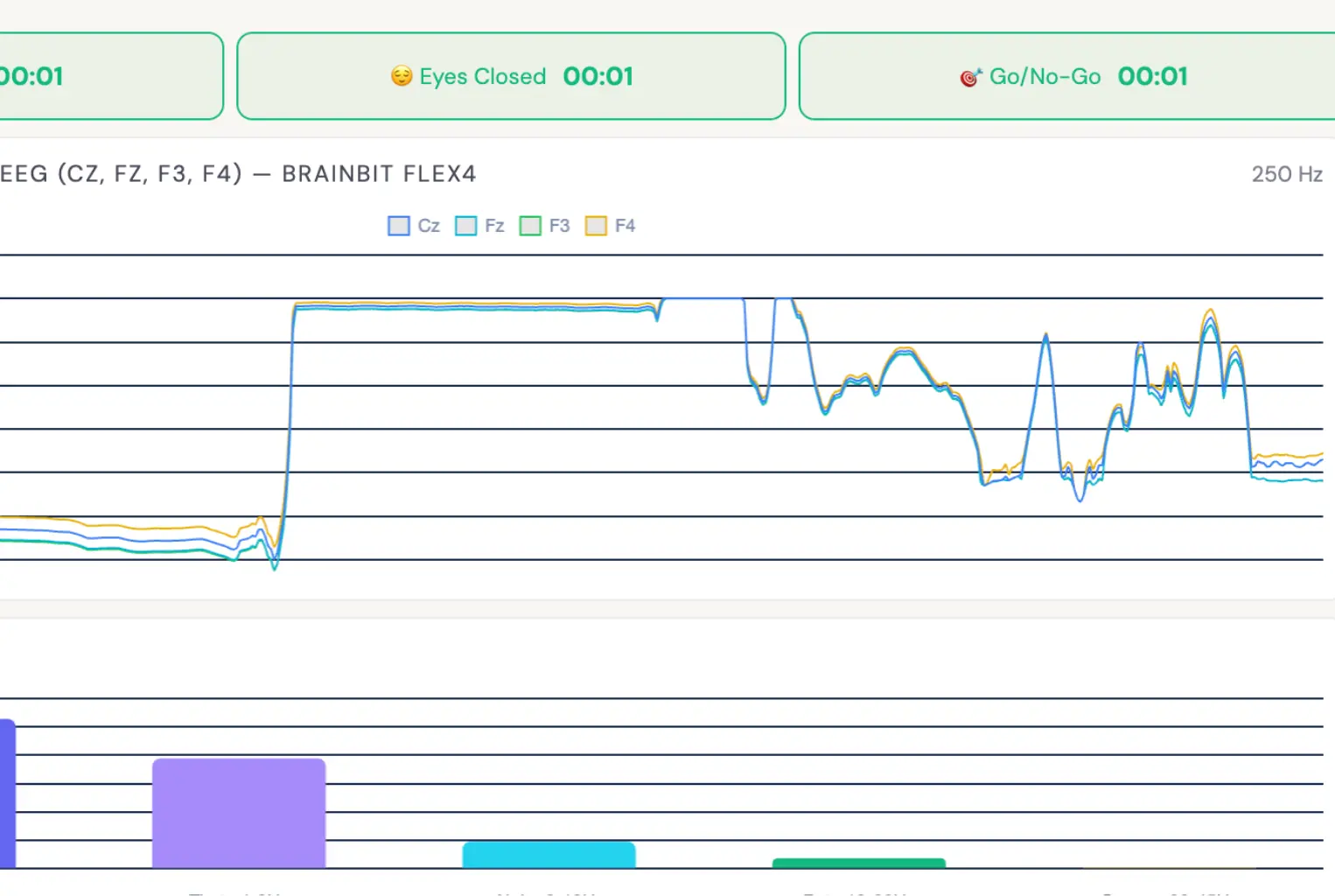
One of the most powerful ways to objectively track whether medication is working is a follow-up qEEG screening. Research shows that stimulant medication increases beta activity in the prefrontal cortex and normalises the theta/beta ratio in responsive patients.
A repeat scan 3–6 months after starting medication can:
- Objectively demonstrate whether your brain activity has changed — not relying solely on subjective self-report
- Provide evidence for medication reviews — concrete data that treatment is working at a neurological level
- Identify non-responders earlier — if your TBR has not changed, it may be time to consider an alternative medication or dose adjustment
- Motivate treatment adherence — seeing before-and-after brain data is a powerful motivator to continue medication
Frequently asked questions
NICE NG87 recommends methylphenidate or lisdexamfetamine (Elvanse) as first-line options for both children and adults. Elvanse is increasingly preferred for adults due to its steady 13-hour duration and lower rebound effect. Your specialist will discuss which is most appropriate based on your specific needs.
Typically 4–12 weeks. You start on a low dose and increase gradually at weekly or fortnightly intervals. Keep a daily symptom log to help your specialist optimise your dose. Under Right to Choose, titration is fully NHS funded.
At the correct dose, medication should sharpen your focus and reduce impulsivity without changing who you are. If you feel emotionally “flat” or lose your sense of humour, the dose is likely too high. Discuss with your specialist — a reduction usually resolves this while maintaining symptom control.
On NHS via shared care: £9.90 per prescription item (free if exempt). Privately: £70–£130 per month plus £100–£250 per follow-up. Transferring to shared care saves over £1,000 annually. See the full cost comparison above.
Yes. A follow-up qEEG scan 3–6 months after starting medication can objectively show whether your theta/beta ratio has normalised. This provides concrete evidence for medication reviews and demonstrates treatment efficacy at a neurological level.